Rethinking Your Lawn: The Case for Native Meadows
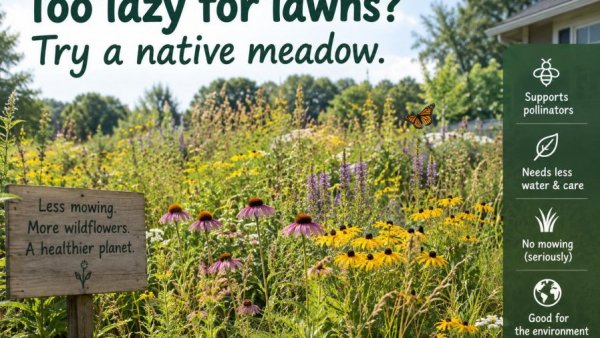
Are you tired of the endless battle of maintaining a green lawn? If so, you’re not alone. Many homeowners across Riverside and San Bernardino counties are starting to rethink the traditional lawn in favor of more sustainable, native options. One increasingly popular alternative is the native meadow, which offers not only beauty but also environmental benefits that can greatly enhance your property while reducing your maintenance efforts.
Why Traditional Lawns Fall Short
The quintessential suburban lawn is often viewed as a status symbol—an emblem of manual labor that signifies pride in homeownership. However, achieving that perfect lawn requires significant time, effort, and resources. Lawn care is not cheap; with current trends focusing on convenience, the instant gratification provided by roll-out turf has become the go-to for many homeowners. Yet, this quick fix can lead to heartache in the form of high water bills, chemical use, and ongoing maintenance headaches—issues all too familiar for homeowners in our region. Landscape expert Simon McCurdy highlights that many homeowners seek immediate results, often opting for synthetic solutions that can lead to further complications down the line. For those in the Inland Empire, where extreme heat and water scarcity are pressing concerns, these exotic lawns may not be the most practical solution. They're prone to yellowing during colder months or under drought conditions and often introduce aggressive weeds into your landscape, which can be not only frustrating but also a costly issue to manage.
The Benefits of Native Grasses
Darren Vincent from Native Seeds emphasizes the long-term benefits of transitioning to a native meadow, particularly in arid regions like the Inland Empire. Native grasses such as Griffin weeping grass are not only stunning but are also designed to thrive in local conditions, requiring significantly less water and maintenance once established. This is especially important considering Riverside and San Bernardino counties face ongoing drought conditions that place pressure on water resources. Vincent explains that while native grasses may take longer to grow initially, their deep root systems provide better drought resistance and soil retention, significantly reducing the need for fertilizers and pesticides. This means that for eco-conscious homeowners looking to minimize their environmental footprint, native meadows present a beneficial alternative that can also result in cost savings on maintenance and landscaping.
Practical Steps for Transitioning to a Native Meadow
If you’re considering ditching your conventional lawn for a native meadow, you may wonder about the steps involved. Here’s a practical guide to getting started:
-
Assess Your Space: Identify areas that receive full sun and moderate shade; native grasses often thrive in full sun environments, making it crucial to understand your landscaping layout.
-
Choose the Right Grasses: Look for local varieties that are well-suited to your soil type. For example, consider incorporating species like native fescue, which is well adapted to our climate and soil conditions.
-
Prepare Your Soil: Native grasses typically require well-draining soil. Consider creating a seedbed or using a hydroseeding technique for larger areas to enhance germination success.
-
Water Wisely: Initially, you will need to ensure adequate moisture for germination. Once established, most native grasses will be drought-resistant and should require minimal watering.
By following these steps, homeowners can effectively shift toward implementing a native meadow that combines aesthetics with practicality.
Emotional and Community Benefits
Switching to a native meadow isn’t just a personal choice; it’s a community decision that can have wide-reaching environmental impacts. A landscape paved with native meadows can support local wildlife, such as pollinators and beneficial insects, which are vital for a healthy ecosystem and can help maintain biodiversity in our communities. Moreover, neighbors may bond over their mutual appreciation for native landscapes, fostering a sense of community pride. Imagine walking through neighborhoods where vibrant wildflowers bloom instead of monotonous grass—it's a breath of fresh air! Community-led efforts to replace traditional lawns with native vegetation can spark greater awareness about sustainability and promote environmental education among residents, further enhancing the impact.
What Are the Costs?
One concern that may arise in your decision-making process is cost. While the initial setup for a native meadow can be pricier due to seed and preparation costs, the long-term savings on water bills and chemical applications can make it a worthwhile investment. Given the re-prioritization towards water conservation and environmentally responsible gardening within the Inland Empire, homeowners can justify these initial expenditures as investments in sustainability and resilience against climate fluctuations. Additionally, many local governments and organizations offer grants or subsidies for residents implementing drought-focused landscaping practices, which can help mitigate some of the upfront costs associated with transitioning to a native meadow.
Final Thoughts: Make the Change for a Greener Tomorrow
The time has come for homeowners across Riverside and San Bernardino counties to embrace a more sustainable approach towards landscaping. Switching to a native meadow not only enhances the beauty of your home but also contributes positively to the environment, saving you time and money on maintenance. It’s an opportunity to work with nature rather than against it—creating a lush and thriving space that celebrates our unique local landscape. To learn more about how you can implement these eco-friendly practices, consider consulting local resources or experts in native landscaping. Local cooperative extensions or gardening clubs can provide additional guidance and support. Join the movement towards healthier, native alternatives and make your landscape a source of pride and sustainability today.






Write A Comment