

cropper
LinQ Media Solutions
  • Home
  • Categories
    • Garage Door Repair
    • Tree Service
    • Septic Services
November 21.2026
4 Minutes Read

How to Determine If Your Roofer Is Suggesting Unnecessary Repairs

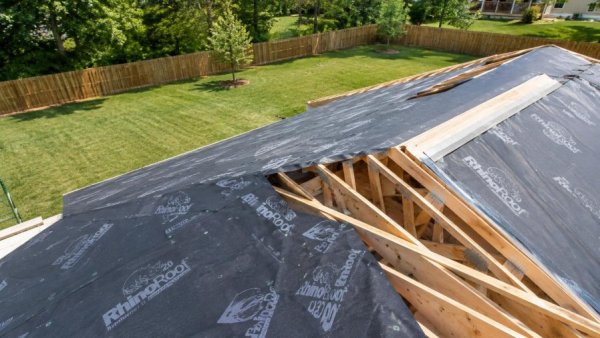
Roof replacement process showing wooden beams and underlayment.

Identifying Unnecessary Roofing Repairs

As a homeowner, when your roofing contractor suggests extensive repairs or a full roof replacement, it raises an important question: Is this work truly necessary? Even a simple visit regarding a small leak can escalate into a list of costly recommendations. Most homeowners lack the specialized knowledge to assess these claims independently. However, there are strategies to evaluate these recommendations thoroughly and make informed decisions.

Evidence You Can Trust

A trustworthy roofing assessment should be founded upon solid evidence. Request photos, videos, or detailed measurements from the contractor to gain insight into the roof's condition. While some issues may not be fully visible in photographs, reputable contractors will work to provide as much clarity as possible. Solid evidence includes identifying leaks, damaged shingles, or issues with roofing materials such as asphalt shingles or tiles. Additionally, be aware that an experienced contractor will not only show you what’s wrong but will also help you understand how this relates to the overall health of your roof.

What to Ask Your Roofing Contractor

When evaluating the contractor’s recommendations, don't hesitate to ask for clarity. Questions regarding what problems were identified, the evidence supporting their recommendations, and their reasoning behind these suggestions are essential. For instance, if a contractor recommends replacing flashing around your chimney, you might ask, "What findings indicate that this flashing is the cause of my leak? Can you show me the specific area of concern?" This type of dialog doesn't challenge the contractor's expertise but rather enhances your understanding. Remember, a knowledgeable contractor should be eager to educate you, because a well-informed homeowner is more likely to trust their recommendations.

The Necessity Behind Estimates

All items included in a roofing estimate may not hold equal importance. Some repairs address immediate damages, while others are essential for proper installation or may represent optional improvements. A detailed explanation of the overall condition of your roof and why they’re suggesting specific repairs can provide peace of mind as you decide how best to proceed. Understand that factors like your home’s age, materials used during construction, and environmental conditions in Riverside and San Bernardino counties could affect the urgency of repairs. For instance, harsh summer heat or extended periods of rain can wear on roofing systems, making preventive care essential.

Second Opinions: A Wise Step

When in doubt, seeking another professional opinion can be immensely beneficial. This doesn’t imply challenging your initial contractor but rather making a well-rounded decision with multiple perspectives regarding your roofing needs. Understand that your ultimate goal is to grasp the condition of your roof and the options available to you, ensuring the recommended solutions are justified. Don’t shy away from reaching out to multiple contractors; just ensure they are licensed and insured, as this helps to maintain professionalism in assessments and recommendations.

Understanding Your Roofing Systems

To make informed decisions, it's essential to comprehend the likely issues impacting your roof. Ignoring this can lead to inadequate responses to repairs or recommendations. Sometimes contractors may recommend replacing materials that seem intact, which can leave homeowners feeling confused or even distrustful. Therefore, understanding the inner workings of your roof—its layers, the role of each component, and how they work together—can help demystify the repair process. For instance, a home in a wildfire-prone area may require specific materials or upgrades that reflect its risk exposure. Knowing these requirements can help homeowners discuss options with their contractors effectively.

Why Knowledge Matters

A comprehensive understanding of your roofing situation empowers you to make confident, informed decisions. By asking the right questions, reviewing evidence, and considering multiple assessments, you can avoid unnecessary expenses and ensure that any work performed is both necessary and beneficial. Moreover, being well-informed allows you to distinguish between legitimate repair needs and upsells that may not be crucial at this time. This consideration is especially important when faced with the potential financial stress of a significant investment in your home.

Final Thoughts on Making Roofing Decisions

As a homeowner in California, navigating roofing repairs can be daunting. The stakes are high when it comes to maintaining the integrity of your home, so never hesitate to delve deeper into your contractor's recommendations. Whether it’s preparing your roof for stormy weather, heat that can cause damage over time, or upgrades that could significantly enhance your home’s energy efficiency, knowledge is your best asset.

Equipping yourself with the knowledge of common concerns, preventive measures, and the dynamics of roofing systems will enhance your capacity to handle such situations. Ultimately, informed choices can result in not only a roof that looks beautiful but also functions effectively, shielding your home from the elements.

For more guidance on managing your roofing and home improvement needs, consult local experts or reach out to trusted roofing services in your area. Take control of your home maintenance decisions and ensure your investments are sound and necessary strides toward maintaining your property's value.


0 Views

0 Comments

Write A Comment

*
*
Please complete the captcha to submit your comment.
Related Posts All Posts
11.22.2026

How Climate Change Will Reshape SoCal: Tips for Homeowners

Update Understanding the Growing Threat of Climate Change in SoCalClimate change is no longer a distant concern; it is an immediate reality affecting communities across Greater Los Angeles. The recent findings from California’s 5th Climate Change Assessment reveal unsettling projections for the region by mid-century, highlighting the urgency for action. From extreme heat to rising sea levels, the data emphasizes the need for resilience and preparation.The Heat is On: Preparing for Rising TemperaturesSoCal has already witnessed an average temperature increase of about 4°F since the early 1900s, with forecasts indicating that this could rise an additional 4°F by 2050. Hotter summers will exacerbate health risks, especially for vulnerable populations. For instance, San Bernardino is anticipated to face 120 days above 95°F—significantly more than the historical average of 81 days.To mitigate the challenges of extreme heat, homeowners and communities can expand tree canopies and invest in nature-based solutions. Strategies like cool roofs, cool pavements, and more public education initiatives can significantly reduce urban heat effects.Extreme Weather: The Challenge of Precipitation WhiplashAs climate change intensifies, SoCal is expected to experience both wetter and drier years more frequently. This precipitation whiplash poses significant challenges for water management, as imported water may decrease and longer droughts become common. The loss of approximately a third of the snowpack will further complicate water resources.Investing in water recycling systems, stormwater management, and infrastructure that can handle unpredictable weather is crucial to prepare for these shifts. Homeowners can contribute by ensuring their landscaping is drought-resistant and water-efficient.Wildfire Risk: Are You Prepared?The risk of wildfires is projected to spike, with the potential to increase burned areas by up to 50% by 2050. Drier conditions coupled with invasive species create a perfect storm for wildfires. Communities must act now by implementing fire-prevention techniques, such as hardening homes and maintaining defensible space around properties.Sea Level Rise: A Coastal ConcernThe threat of rising sea levels also looms over Southern California’s coastal communities. Predictions suggest a rise of 0.7 to 1.1 feet by 2050. Coastal cities like Venice and Malibu may face significant risks, including coastal erosion and flooding. To combat these threats, investments in coastal restoration projects and enhanced stormwater infrastructure are essential.Take Action: Preparing Today for a Safer TomorrowClimate change is changing the landscape of Southern California, but it’s not too late to implement meaningful changes. By focusing on tree health and maintenance, we can foster healthier urban forests that provide shade and cooling benefits during extreme heat events. Engaging certified arborists for tree care, trimming, and disease management can greatly improve tree resilience, which in turn, supports our communities' climate goals.Stay informed and engaged by participating in community discussions and educational webinars, such as the upcoming session on California’s 5th Climate Change Assessment on December 2nd. Collective action today can pave the way for a healthier and safer Southern California tomorrow.

11.22.2026

Transform Your Lawn with These Sustainable Native Meadow Tips

Update Rethinking Your Lawn: The Case for Native Meadows Are you tired of the endless battle of maintaining a green lawn? If so, you’re not alone. Many homeowners across Riverside and San Bernardino counties are starting to rethink the traditional lawn in favor of more sustainable, native options. One increasingly popular alternative is the native meadow, which offers not only beauty but also environmental benefits that can greatly enhance your property while reducing your maintenance efforts. Why Traditional Lawns Fall Short The quintessential suburban lawn is often viewed as a status symbol—an emblem of manual labor that signifies pride in homeownership. However, achieving that perfect lawn requires significant time, effort, and resources. Lawn care is not cheap; with current trends focusing on convenience, the instant gratification provided by roll-out turf has become the go-to for many homeowners. Yet, this quick fix can lead to heartache in the form of high water bills, chemical use, and ongoing maintenance headaches—issues all too familiar for homeowners in our region. Landscape expert Simon McCurdy highlights that many homeowners seek immediate results, often opting for synthetic solutions that can lead to further complications down the line. For those in the Inland Empire, where extreme heat and water scarcity are pressing concerns, these exotic lawns may not be the most practical solution. They're prone to yellowing during colder months or under drought conditions and often introduce aggressive weeds into your landscape, which can be not only frustrating but also a costly issue to manage. The Benefits of Native Grasses Darren Vincent from Native Seeds emphasizes the long-term benefits of transitioning to a native meadow, particularly in arid regions like the Inland Empire. Native grasses such as Griffin weeping grass are not only stunning but are also designed to thrive in local conditions, requiring significantly less water and maintenance once established. This is especially important considering Riverside and San Bernardino counties face ongoing drought conditions that place pressure on water resources. Vincent explains that while native grasses may take longer to grow initially, their deep root systems provide better drought resistance and soil retention, significantly reducing the need for fertilizers and pesticides. This means that for eco-conscious homeowners looking to minimize their environmental footprint, native meadows present a beneficial alternative that can also result in cost savings on maintenance and landscaping. Practical Steps for Transitioning to a Native Meadow If you’re considering ditching your conventional lawn for a native meadow, you may wonder about the steps involved. Here’s a practical guide to getting started: Assess Your Space: Identify areas that receive full sun and moderate shade; native grasses often thrive in full sun environments, making it crucial to understand your landscaping layout. Choose the Right Grasses: Look for local varieties that are well-suited to your soil type. For example, consider incorporating species like native fescue, which is well adapted to our climate and soil conditions. Prepare Your Soil: Native grasses typically require well-draining soil. Consider creating a seedbed or using a hydroseeding technique for larger areas to enhance germination success. Water Wisely: Initially, you will need to ensure adequate moisture for germination. Once established, most native grasses will be drought-resistant and should require minimal watering. By following these steps, homeowners can effectively shift toward implementing a native meadow that combines aesthetics with practicality. Emotional and Community Benefits Switching to a native meadow isn’t just a personal choice; it’s a community decision that can have wide-reaching environmental impacts. A landscape paved with native meadows can support local wildlife, such as pollinators and beneficial insects, which are vital for a healthy ecosystem and can help maintain biodiversity in our communities. Moreover, neighbors may bond over their mutual appreciation for native landscapes, fostering a sense of community pride. Imagine walking through neighborhoods where vibrant wildflowers bloom instead of monotonous grass—it's a breath of fresh air! Community-led efforts to replace traditional lawns with native vegetation can spark greater awareness about sustainability and promote environmental education among residents, further enhancing the impact. What Are the Costs? One concern that may arise in your decision-making process is cost. While the initial setup for a native meadow can be pricier due to seed and preparation costs, the long-term savings on water bills and chemical applications can make it a worthwhile investment. Given the re-prioritization towards water conservation and environmentally responsible gardening within the Inland Empire, homeowners can justify these initial expenditures as investments in sustainability and resilience against climate fluctuations. Additionally, many local governments and organizations offer grants or subsidies for residents implementing drought-focused landscaping practices, which can help mitigate some of the upfront costs associated with transitioning to a native meadow. Final Thoughts: Make the Change for a Greener Tomorrow The time has come for homeowners across Riverside and San Bernardino counties to embrace a more sustainable approach towards landscaping. Switching to a native meadow not only enhances the beauty of your home but also contributes positively to the environment, saving you time and money on maintenance. It’s an opportunity to work with nature rather than against it—creating a lush and thriving space that celebrates our unique local landscape. To learn more about how you can implement these eco-friendly practices, consider consulting local resources or experts in native landscaping. Local cooperative extensions or gardening clubs can provide additional guidance and support. Join the movement towards healthier, native alternatives and make your landscape a source of pride and sustainability today.

11.21.2026

Avoid Holiday Plumbing Disasters: Essential Tips for Homeowners

Update Preparing Your Plumbing for the Holiday SeasonThe holiday season is here, and while it brings joy and celebration, it also introduces a surge in household activity that can stress your home plumbing system. Families gather for festive meals, and guests fill spare rooms, making plumbing issues more likely to arise unexpectedly. However, with some preventive actions, you can enjoy a worry-free holiday season. Taking these steps not only protects your plumbing but also contributes to a more enjoyable and less stressful experience for you and your guests.Greasy Kitchen Habits to AvoidHoliday feasting often leads to a potential plumbing disaster—what do you do with all that grease from cooking? Many homeowners mistakenly pour cooking oils and fats down the sink, thinking it's a harmless disposal method. Unfortunately, once these substances cool, they can solidify and create significant clogs. To avoid messy plumbing repairs, let cooking grease cool and collect it in a sealed container for disposal in your trash instead. Additionally, proactively use sink strainers to catch food particles that might otherwise slip down the drain. This small action can save you from future headaches.Remember to also remind family members, particularly older children and teenagers, about proper grease disposal methods. By making everyone aware of these practices, not only will you protect your plumbing, but you’ll also promote family engagement in maintaining a well-functioning household.Rethinking Your Garbage DisposalAlthough garbage disposals are built for convenience, they aren't suited for every type of food waste. During the holidays, avoid putting certain items down the disposal, such as potato peels, turkey bones, fibrous vegetables, and coffee grounds. These foods can create powerful blockages that often lead to costly repairs. Instead, consider composting vegetable scraps or disposing of them in the trash. Treat your disposal with care: only dispose of small amounts of food at a time, and run cold water while it's in operation to ensure food debris is properly flushed away. Additionally, make sure to run the disposal regularly to keep it clean and functioning well.Identifying Slow Drain Issues EarlyBefore the holiday festivities begin, take a moment to assess your drains. A slow-draining sink may seem minor, but it could indicate deeper plumbing issues. Watch for common problem signals: gurgling sounds, unpleasant odors, or pooling water. These signs often signal that clogs are forming. Addressing these issues through professional drain cleaning can save you from major inconveniences when guests arrive. Remember, harsh chemical drain cleaners might provide temporary relief but can harm your pipes in the long run. If problems persist, schedule a consultation with a plumbing specialist.Additionally, stay mindful of your bathroom drains, especially where hair can accumulate. Use strainers in shower drains and periodically remove hair buildup manually. This simple maintenance can help ensure minimal drainage issues during peak usage times.Preparing for Overnight GuestsHosting family and friends requires adequate preparation, especially for bathrooms and plumbing maintenance. Consider how your plumbing will handle increased usage. Ensure toilet systems flush well, and check for any leaks or flushing issues. Additionally, ensure there’s enough toilet paper accessible and maintain proper waste disposal options to avoid overloading the system. A little proactive maintenance can prevent uncomfortable interruptions during your holiday celebrations. If a toilet doesn’t flush well, consider replacing the flapper or adjusting the float valve to ensure optimal performance.Knowing When to Call a ProfessionalNot all plumbing issues can be solved through DIY methods. If you encounter persistent clogs, slow drains, or signs of leaks (such as water stains on walls or ceilings), it may be time to call a professional. Experts in residential plumbing can conduct thorough leak detection assessments and provide necessary plumbing repairs and maintenance. Catching problems early can save you from larger headaches later. Ensure you have the contact information of a trusted plumbing service handy during the bustling holiday season so you can act quickly if a plumbing emergency arises.Seasonal Plumbing PrecautionsIn addition to the above tips, several seasonal plumbing precautions help prepare your home for the holidays. For instance, let your faucets drip during cold nights to prevent pipes from freezing and bursting, especially in areas that can get chilly. Insulate exposed pipes in unheated spaces like garages and basements to minimize risk. Moreover, addressing any drafts around doors and windows can keep your home warmer, which indirectly benefits your plumbing.Conclusion: Keep the Spirit Bright!The holiday season should be filled with joy, not plumbing emergencies. By following these holiday plumbing tips, you can prevent clogs and leaks from disrupting your family gatherings. It’s always wise to keep your plumbing in check, especially with increased demand during busy seasons. Stay ahead of problems and ensure your home is a welcoming space for all your guests! Planning on hosting for the holidays? Ensure your home is fully prepared by implementing these plumbing tips. Visit our website for more resources or contact local plumbing professionals for a pre-holiday plumbing checkup today!

WorldPulse News

Write a small description of your business and the core features and benefits of your products.

COMPANY

  • Privacy Policy
  • Terms of Use
  • Advertise
  • Contact Us
  • Menu 5
  • Menu 6

+19092271142

AVAILABLE FROM 8AM - 5PM

City, State

, ,

ABOUT US

Write a small description of your business and the core features and benefits of your products.

© 2026 CompanyName All Rights Reserved. Address . Contact Us . Terms of Service . Privacy Policy

Terms of Service

Privacy Policy

Core Modal Title

Sorry, no results found

You Might Find These Articles Interesting

T
Please Check Your Email
We Will Be Following Up Shortly
*
*
*